
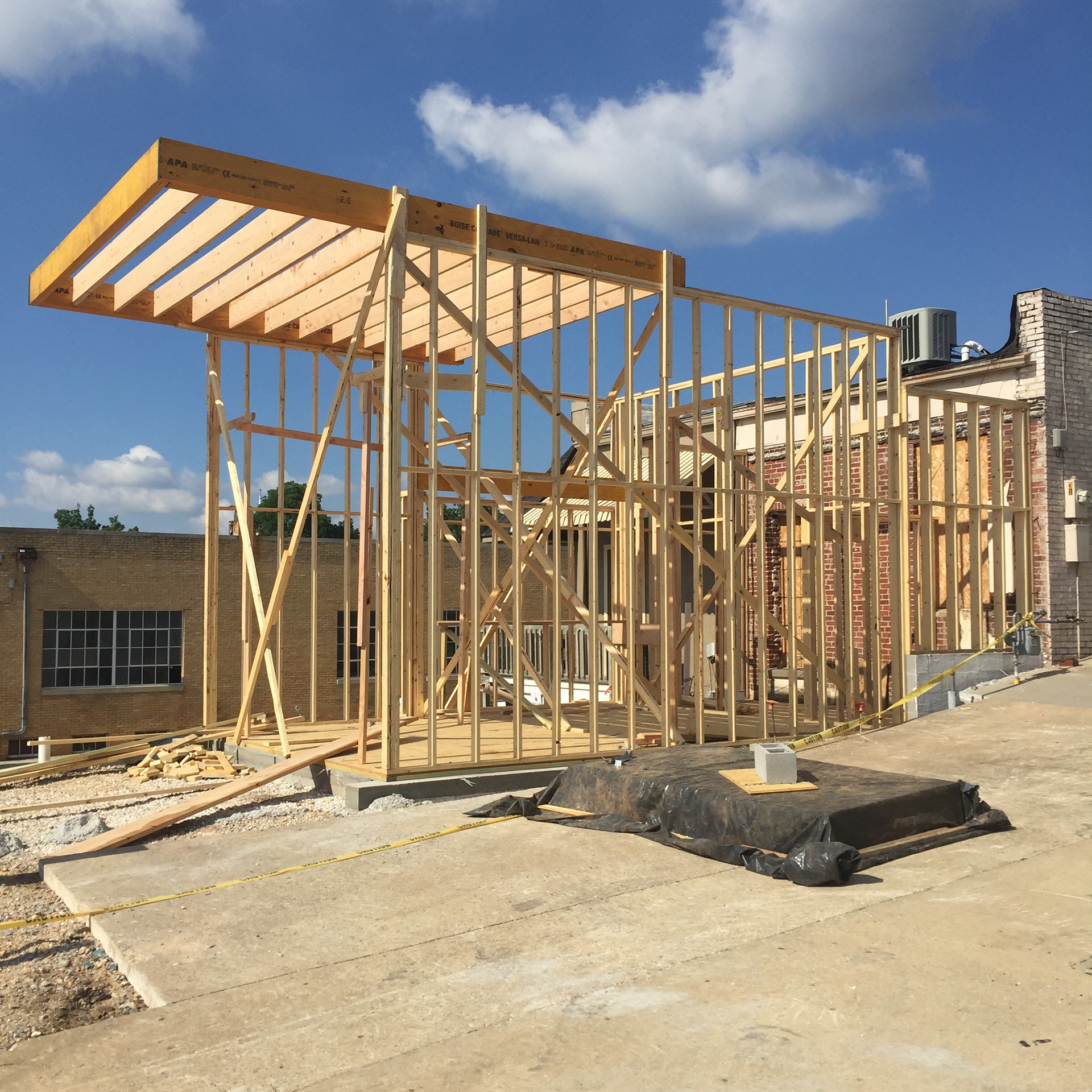
I thought once the drawings were done, the hard part was over. We had a contractor, a budget, and a complete set of plans. It felt reasonable to think construction would simply follow.
At first, it did. A few questions came up, but nothing that seemed out of the ordinary. Decisions were made quickly. Progress looked good. When something wasn’t exactly as drawn, I assumed it was just how construction worked—small adjustments, no real consequences.
Then the questions started coming faster.
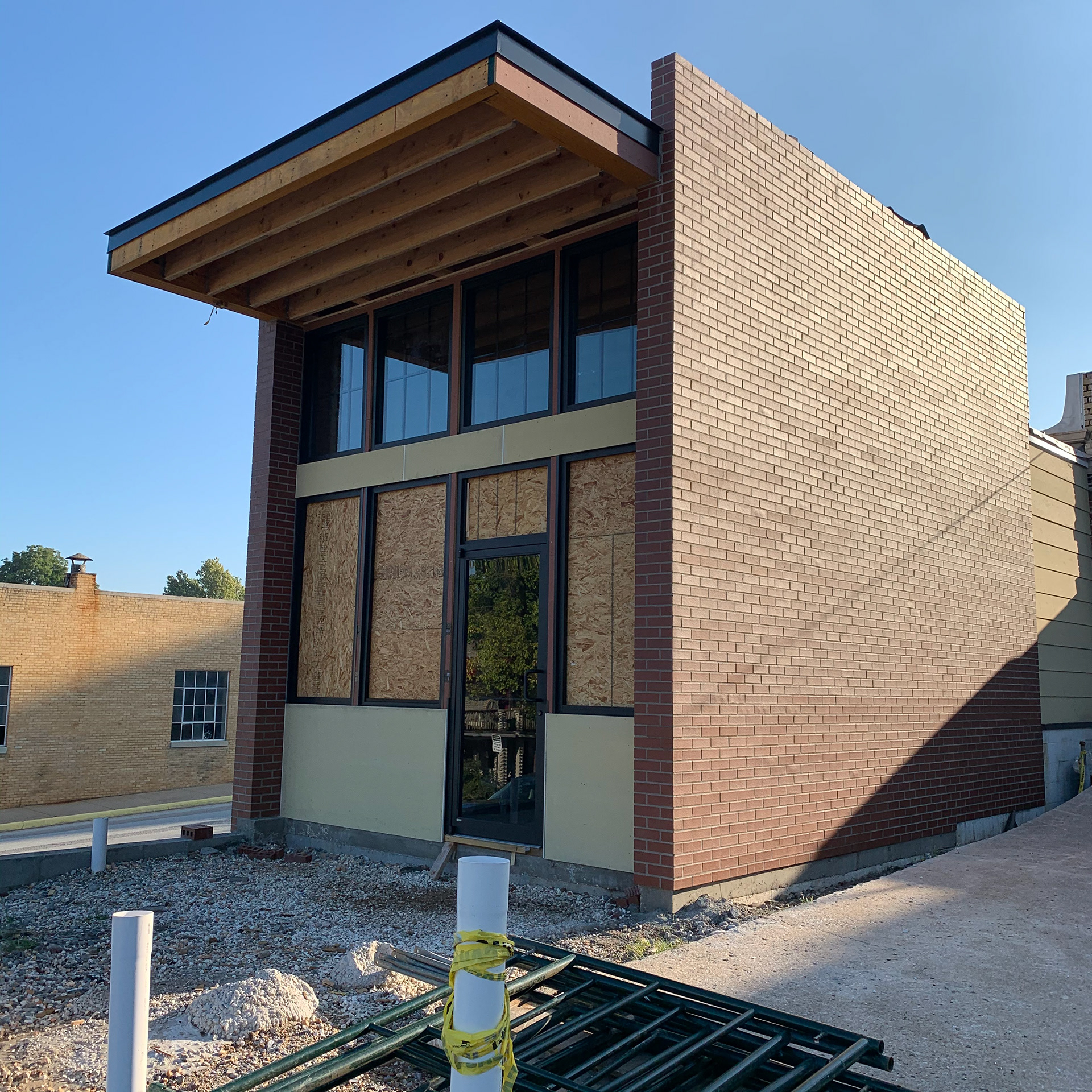
Clarifications. Substitutions. Shop drawings filled with notes I didn’t fully understand. The contractor would ask, “Is this okay?” and I realized I didn’t actually know how to answer. I had assumed the drawings would speak for themselves. They didn’t. I assumed everyone shared the same vision. They didn’t. And I assumed someone was protecting the design intent as decisions were made in the field. No one was.
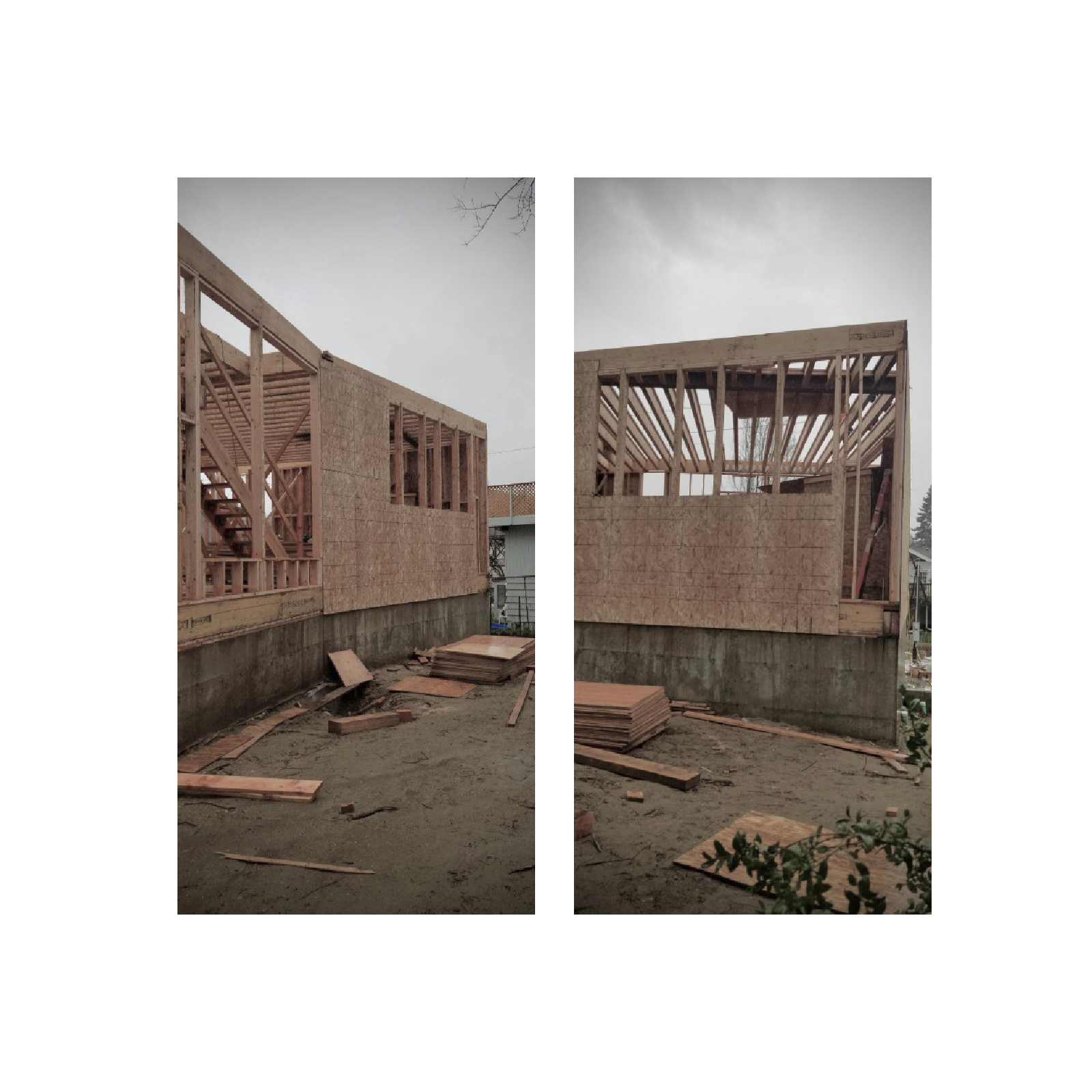
Nothing went wrong all at once. Instead, the project shifted slowly—one simplified detail here, one “equivalent” material there. Each decision felt minor. Together, they changed the project in ways I didn’t fully see until reversing course meant time, money, or both
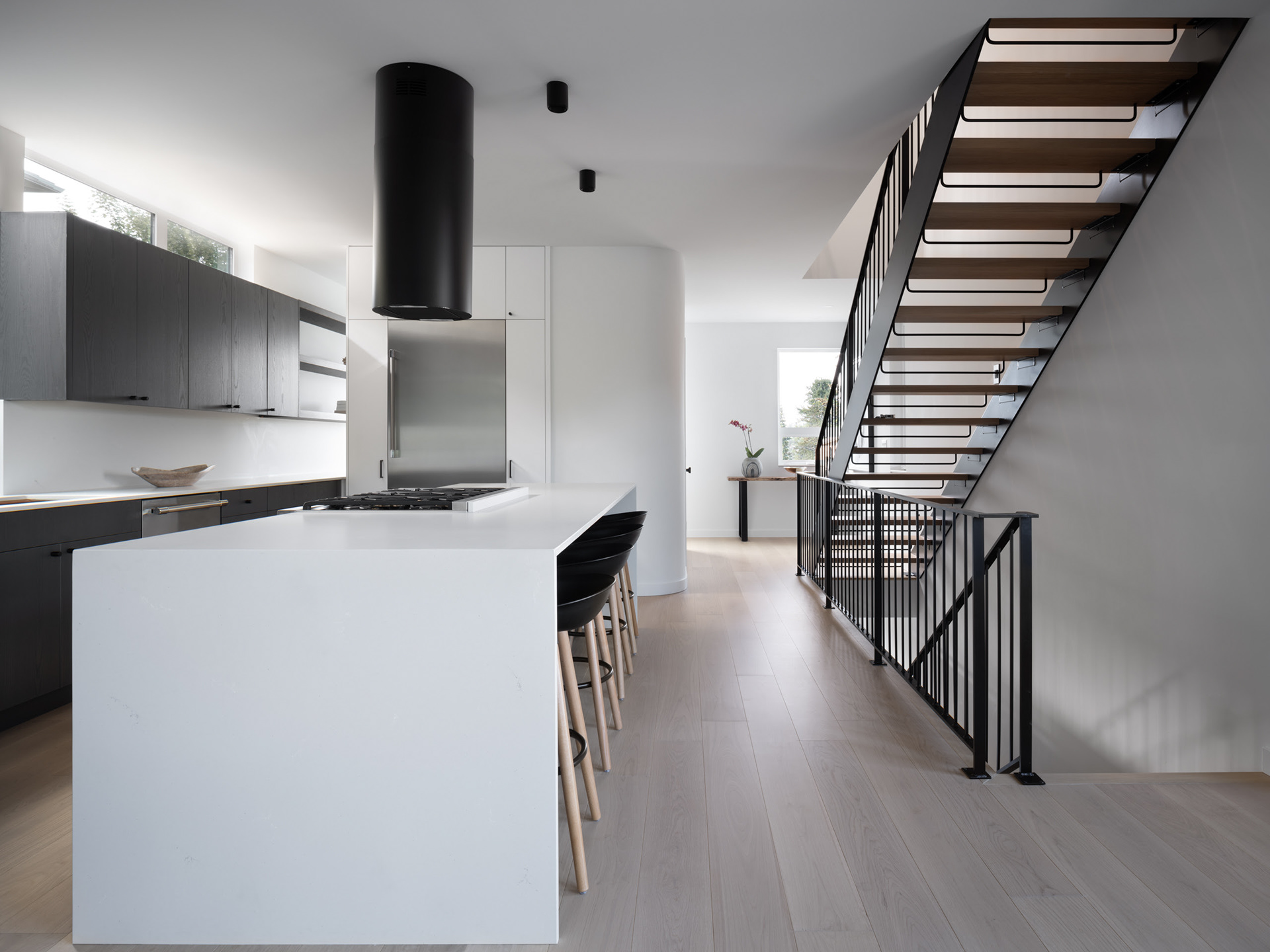
That’s when it became clear: construction isn’t just about building what’s drawn. It’s about interpreting what was intended. And without the architect involved—answering questions, reviewing submittals, checking bids, and pushing back when needed—those interpretations don’t stop. They just get made by whoever is closest to the issue in the moment.
I thought I was streamlining the process. What I actually removed was the one role responsible for seeing the whole picture.
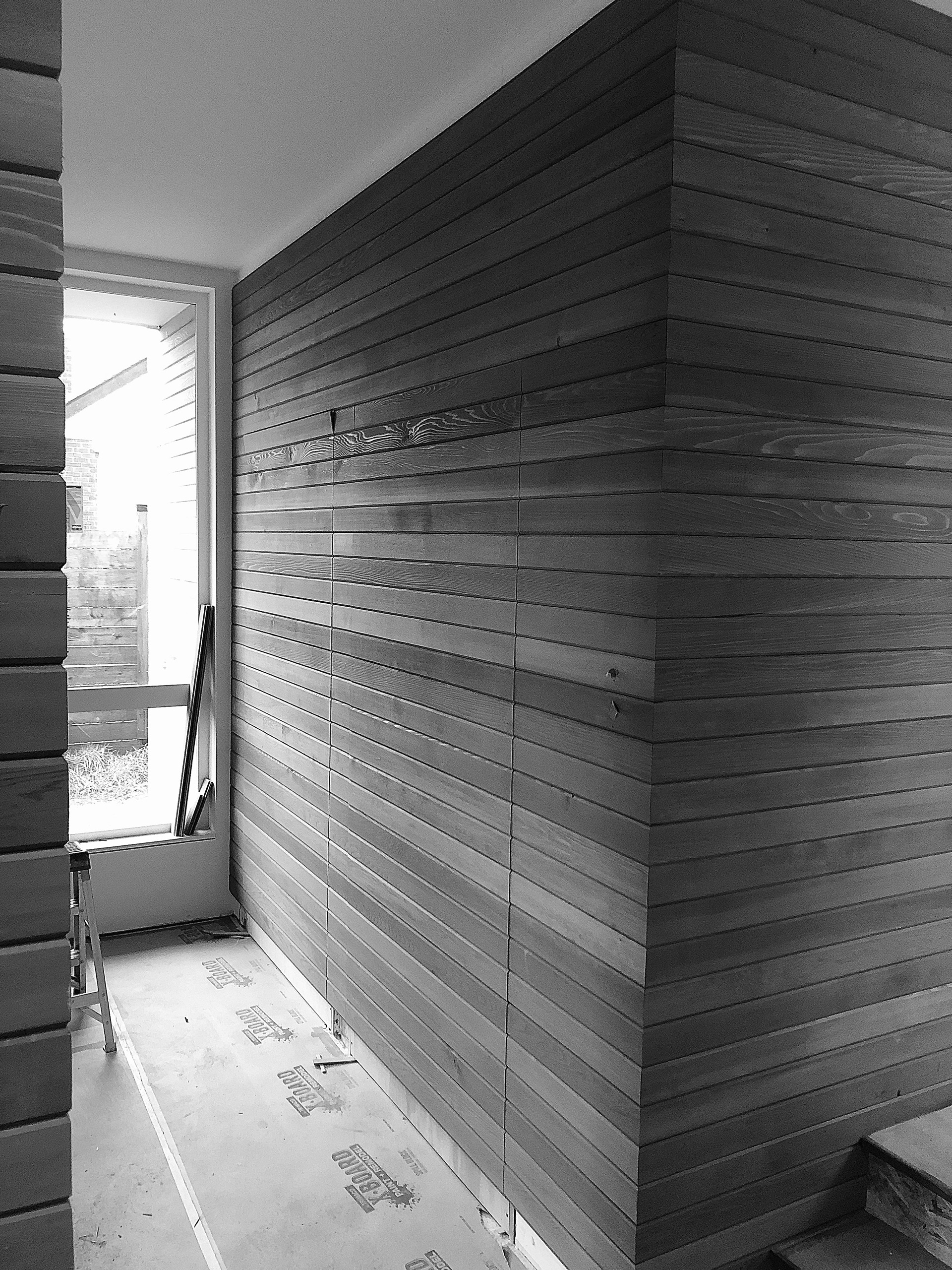
If you’re heading into construction thinking you have everything under control, I understand. I thought the same thing. But this is the phase where projects are most vulnerable—not to big failures, but to a series of small compromises that quietly add up.
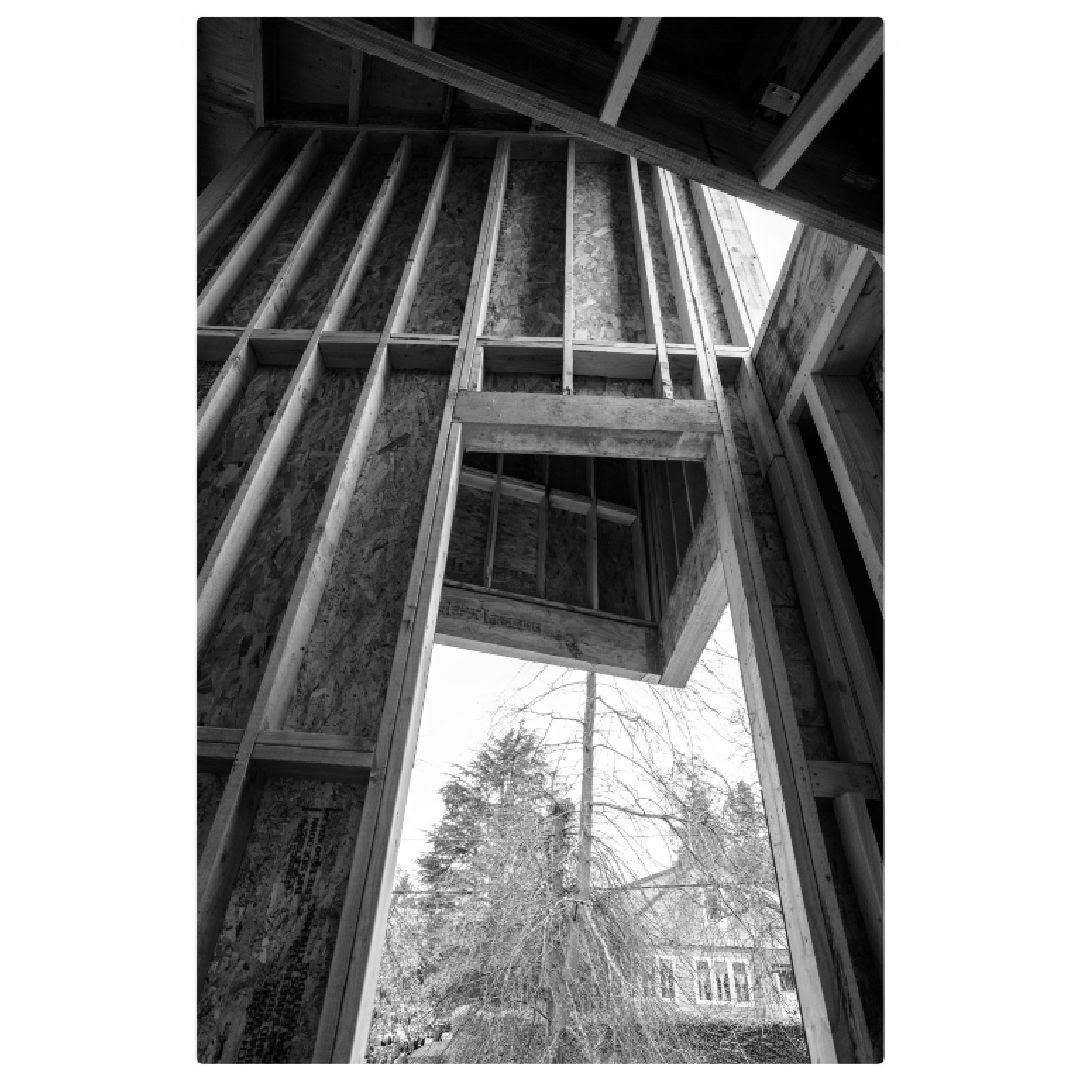
Sometimes, the most valuable work an architect does isn’t visible in the finished building.
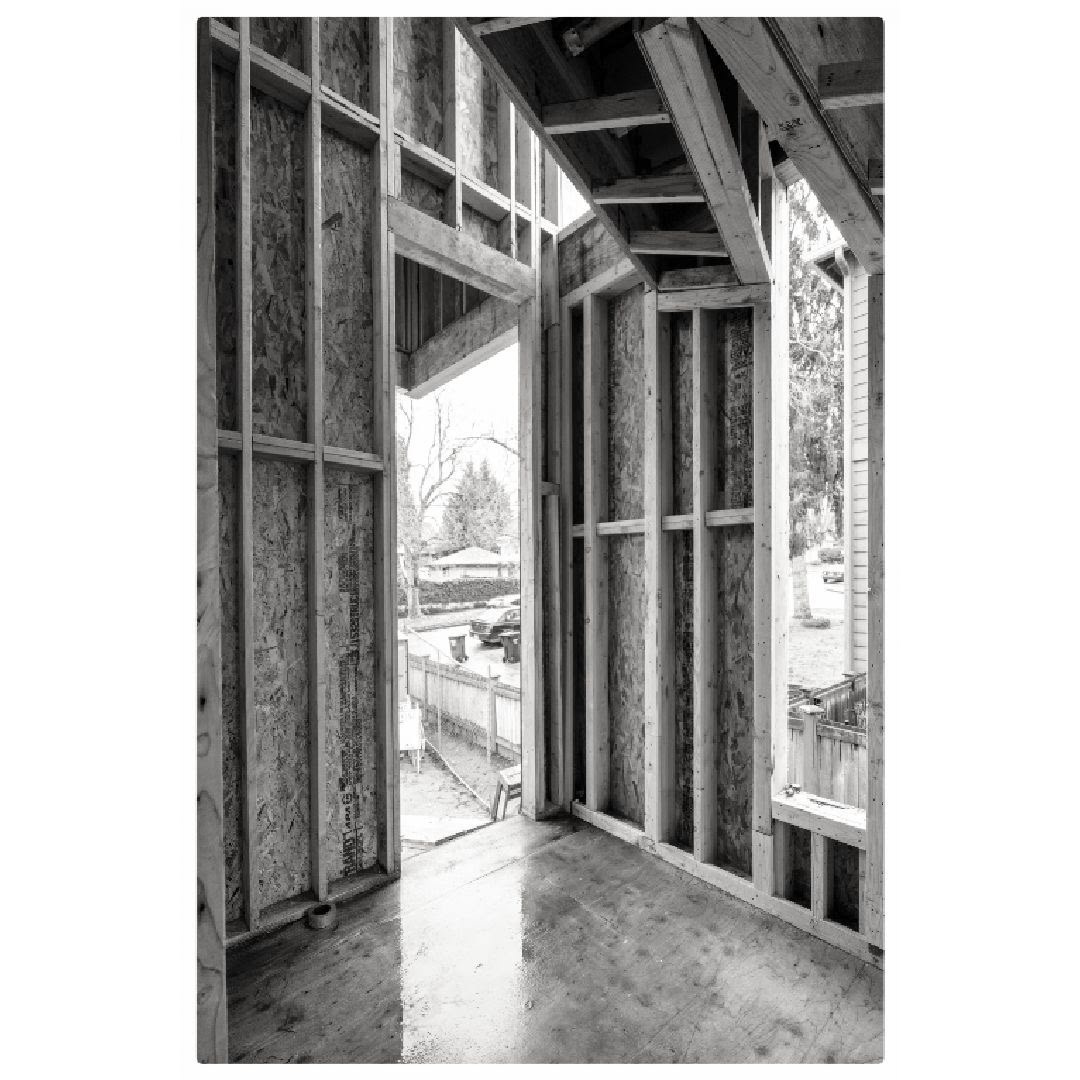
It’s in the problems you never have to discover the hard way.
Design doesn’t end when construction begins.