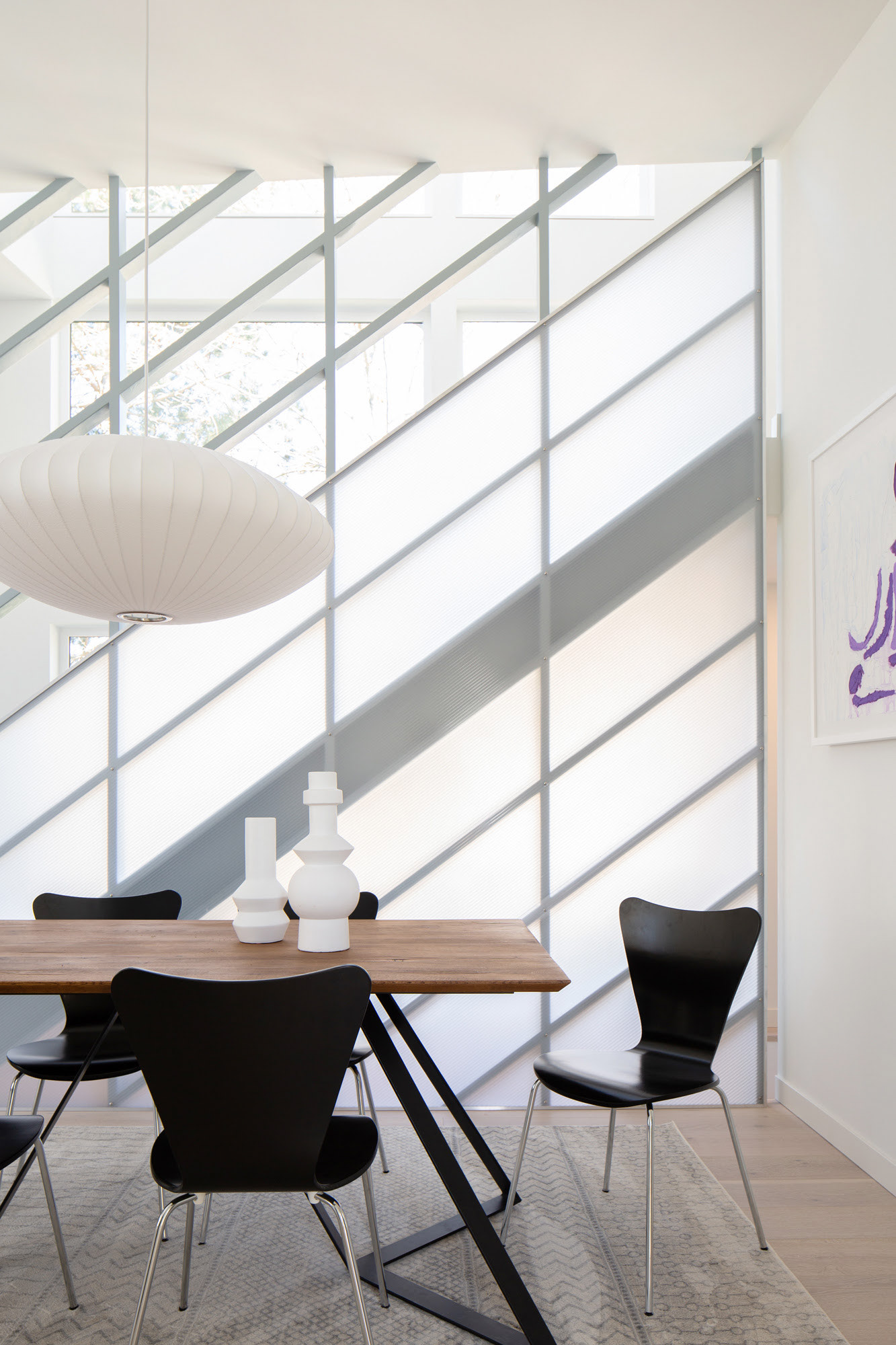
I didn’t start this project thinking it would be hard to explain what I wanted. I had images saved on my phone. I had words like warm, clean, modern, but not cold. I knew how I wanted the space to feel when I walked in at the end of the day.
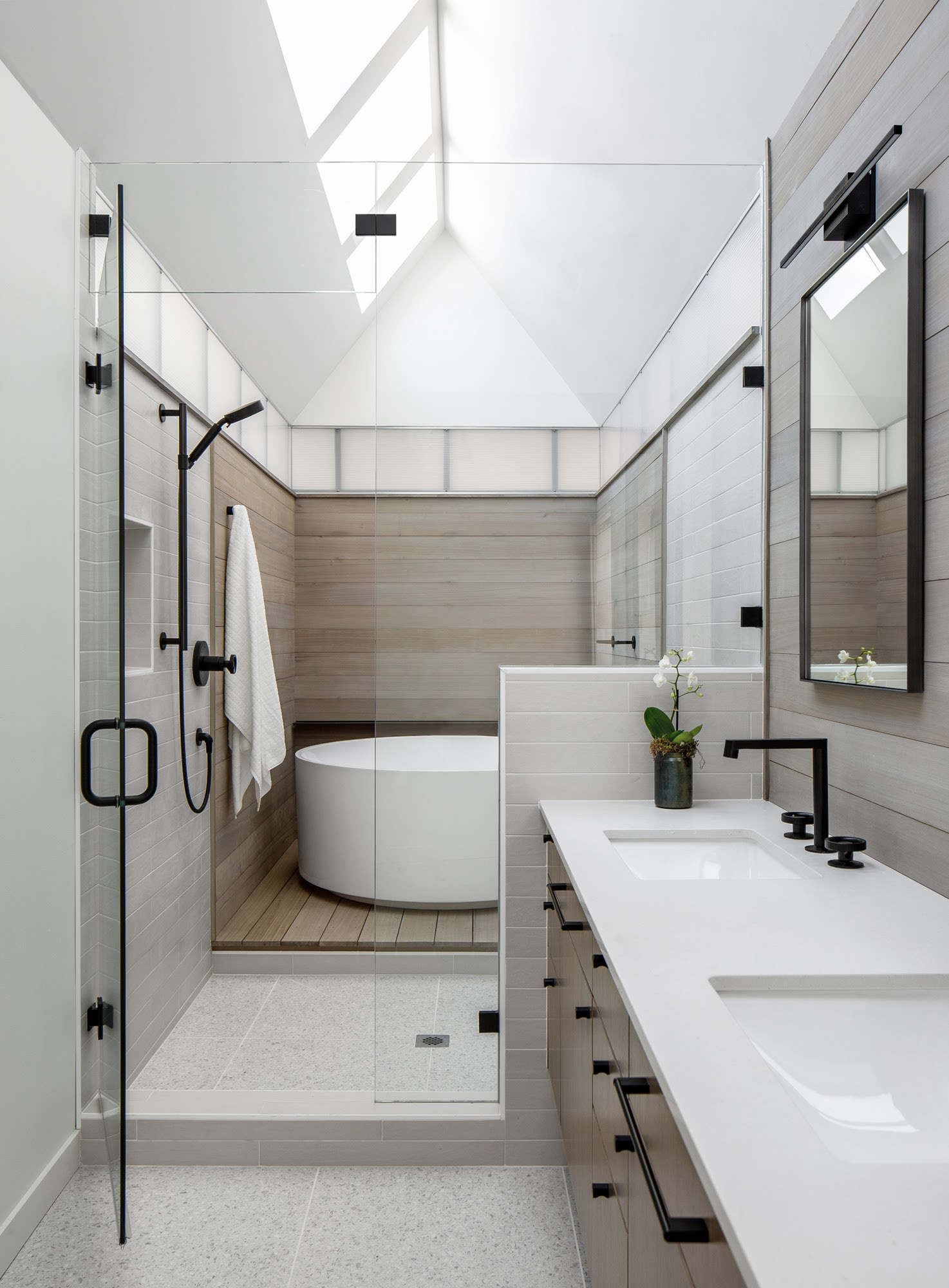
So when people asked, “What are you looking for?” I said what everyone says: “I’ll know it when I see it.” What I didn’t realize was how frustrating that answer would become. Because every time I tried to explain it, I felt like I was failing some invisible test. I’d talk in circles. I’d contradict myself. I’d point at a photo and say, “Not this exactly… but kind of this?” I worried I sounded indecisive. Or worse—difficult.
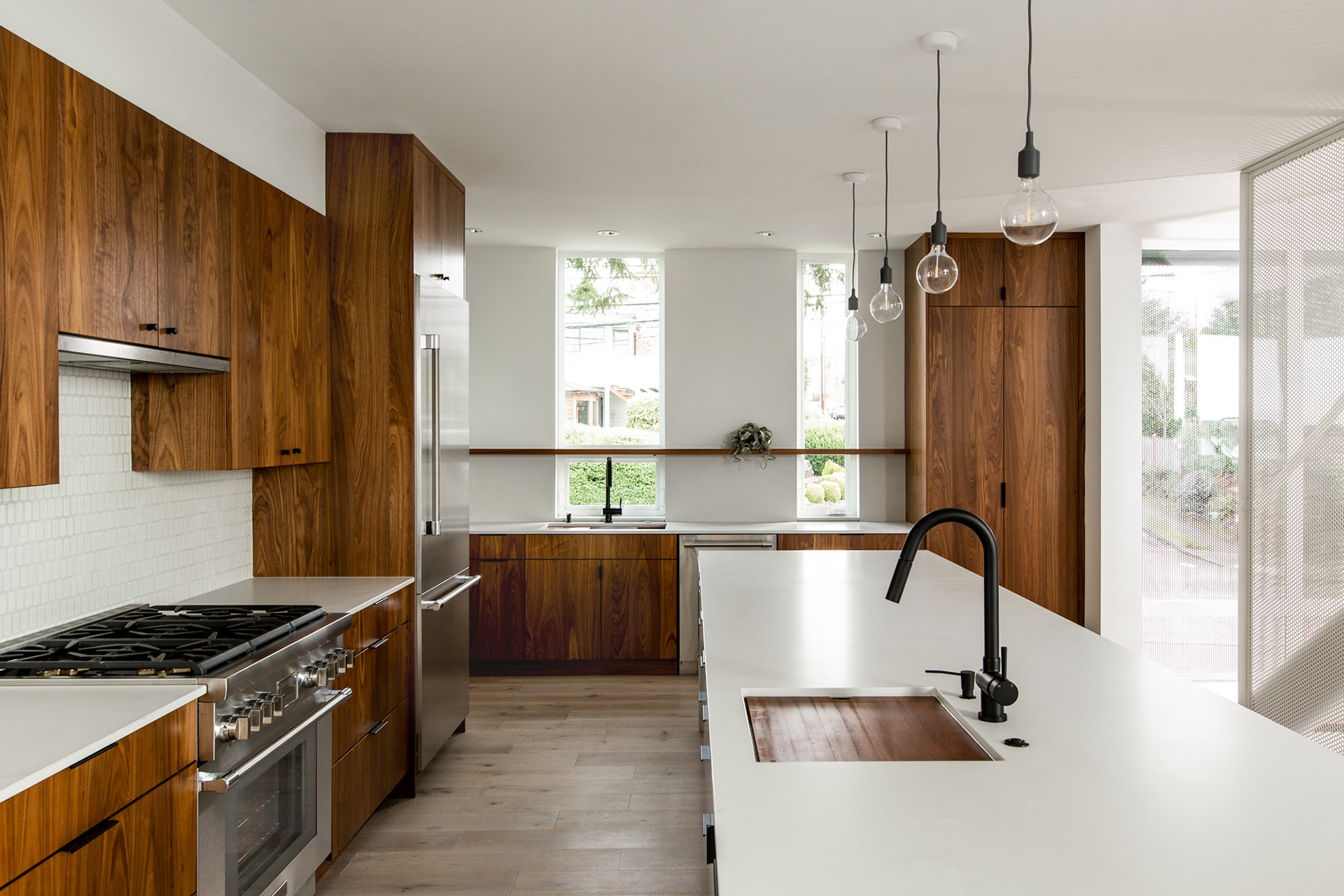
The truth was, the ideas were there. They just weren’t architectural yet.
What I really wanted to say was:
I want it to feel calm, not sterile.
I want light, but not glare.
I want it to feel intentional without feeling precious.
I want it to feel like me, even though I’ve never seen it before.
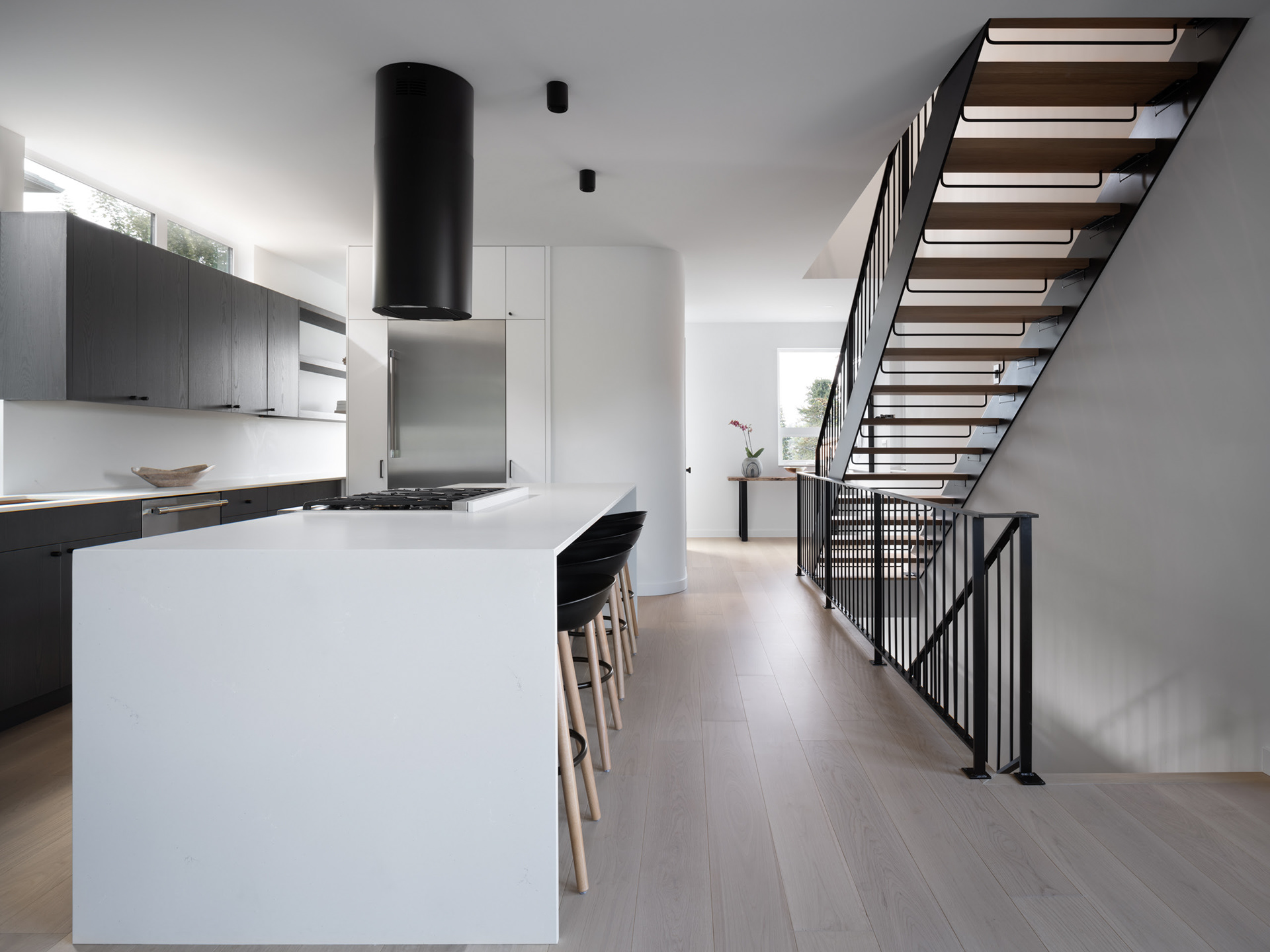
But none of that fits neatly into a checklist. At some point, I realized the problem wasn’t that I didn’t know what I wanted. The problem was that I didn’t have the language for it. That’s when things started to change. Instead of being asked for answers, I was asked better questions.
Not “What style do you like?” but “Where do you feel most at ease?”
Not “Do you prefer modern or traditional?” but “What do you want to protect in your daily life?”
Suddenly, my vague thoughts weren’t treated like a liability. They were treated like raw material. The architect didn’t need me to be clear. They needed me to be honest. And slowly, through conversations, references, reactions, and even disagreements, something solid emerged. The fog lifted. The ideas aligned. What had been a feeling became a direction.
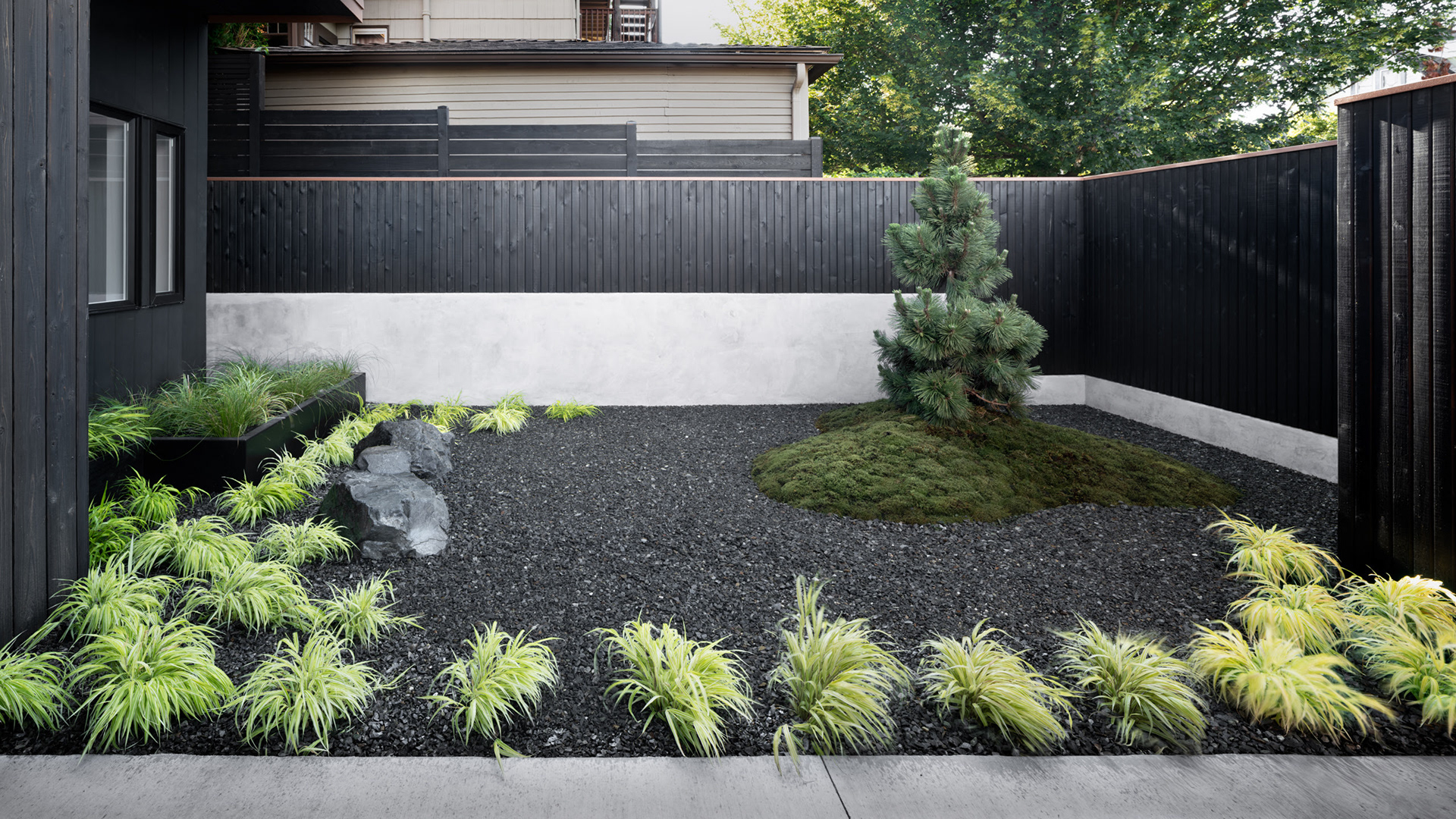
I didn’t walk away thinking, I finally explained myself perfectly. I walked away thinking, Someone actually understood what I was trying to say.
If you’ve been putting off a project because you’re worried you can’t explain it well enough. If you’re afraid of wasting time, money, or credibility because your ideas feel unfinished. You’re not behind. You’re right where most good projects begin. Clarity doesn’t come before the process. It comes because of it. And sometimes, the most important skill an architect brings isn’t drawing buildings.
It’s listening between the lines.
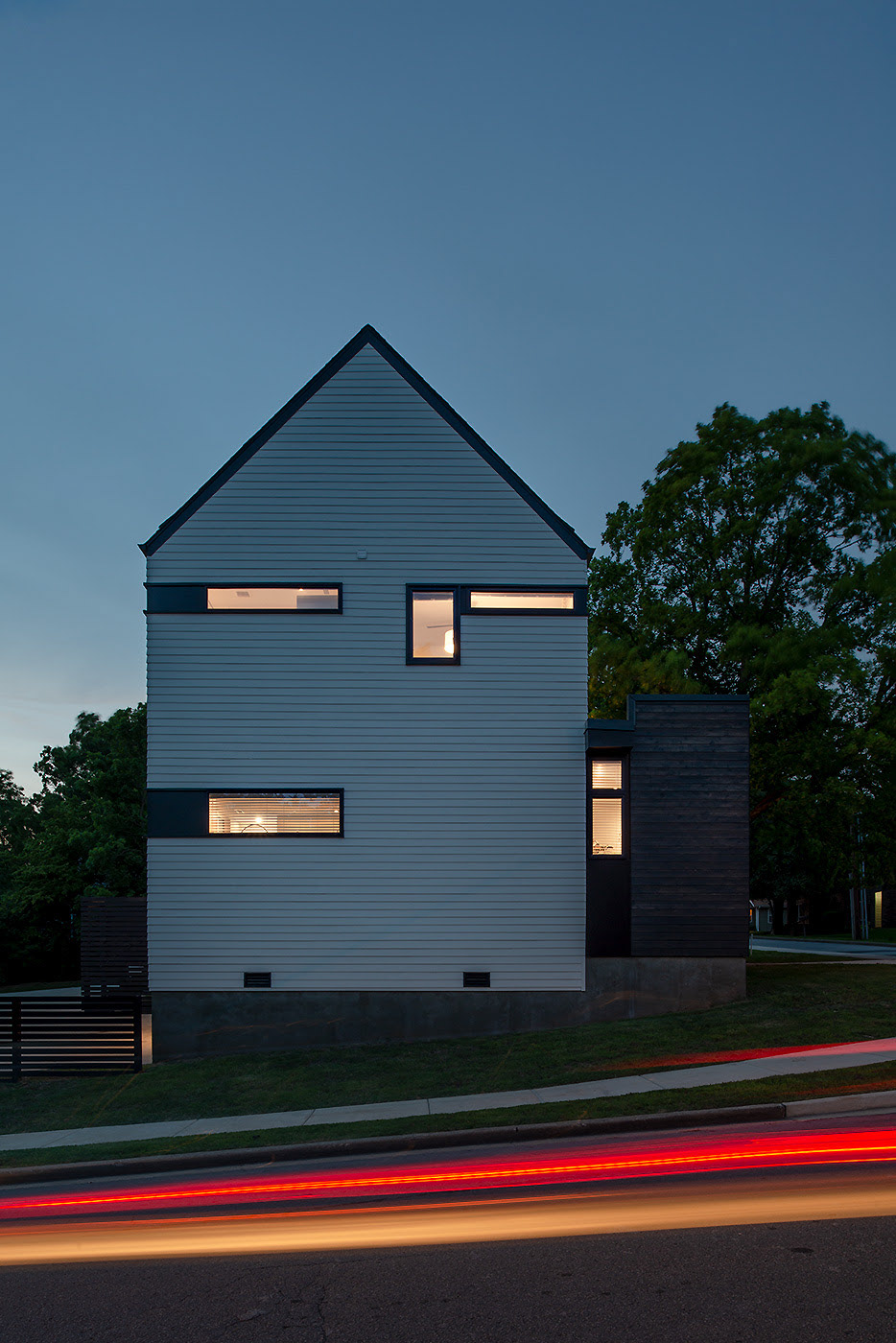
You don’t need a finished idea to start a meaningful project. You just need a place to begin.
We’d be glad to help you find it.