
What Happens When an Architect Walks In
You’ve just closed on a house.
The keys feel heavy in your hand in the best way—full of ideas, plans, maybe a few Pinterest boards you’re ready to unleash. Before the boxes arrive, before the first wall color is chosen, another set of footsteps enters the home: your architect’s.
The keys feel heavy in your hand in the best way—full of ideas, plans, maybe a few Pinterest boards you’re ready to unleash. Before the boxes arrive, before the first wall color is chosen, another set of footsteps enters the home: your architect’s.
This is where the real story of the house begins.
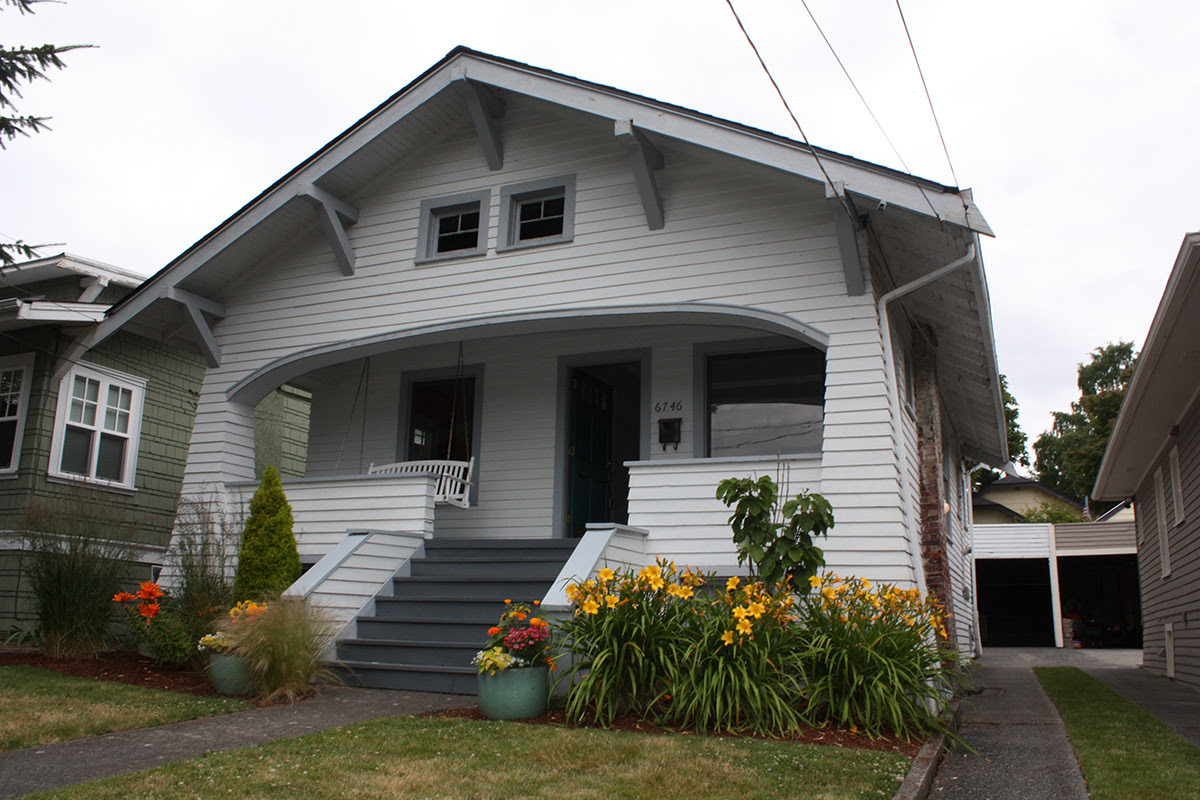
Front - Before
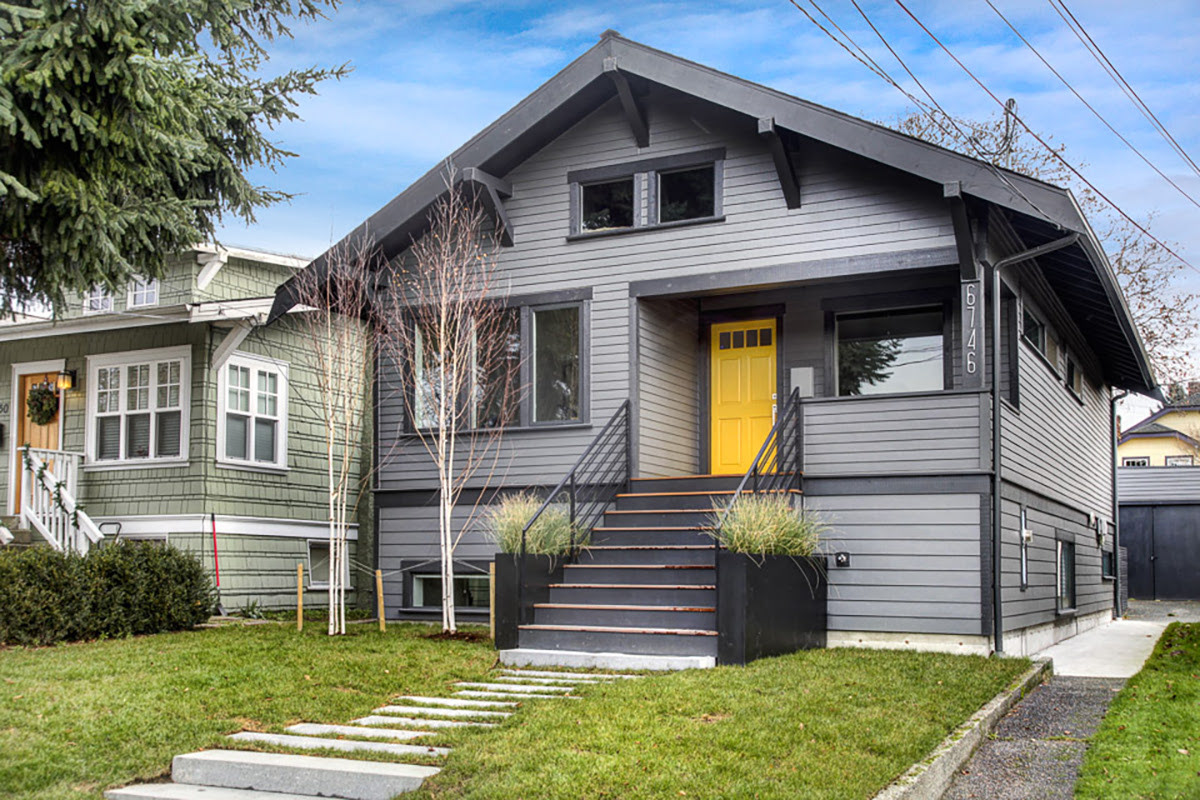
Front - After
1. The First Walkthrough: Learning Your Rhythm
Your architect doesn’t start by looking at walls.
They start by watching you move through the empty rooms.
They start by watching you move through the empty rooms.
Where do you naturally gravitate?
What view draws you in?
What does “home” feel like in your mind—not in blueprints, but in daily rituals?
What view draws you in?
What does “home” feel like in your mind—not in blueprints, but in daily rituals?
This conversation turns a just-purchased house into something more candid and personal: a space that understands how you live.
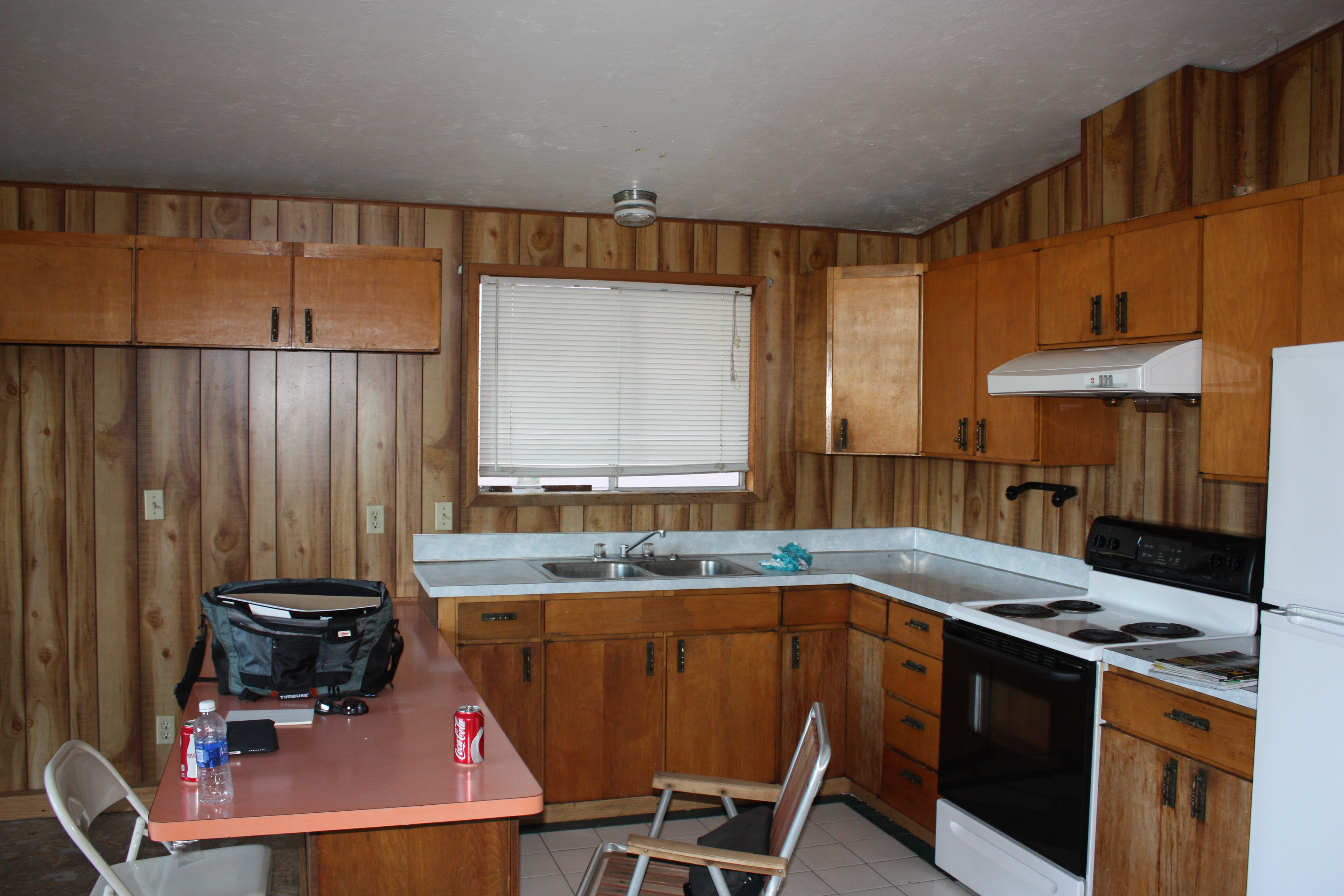
Kitchen - Before
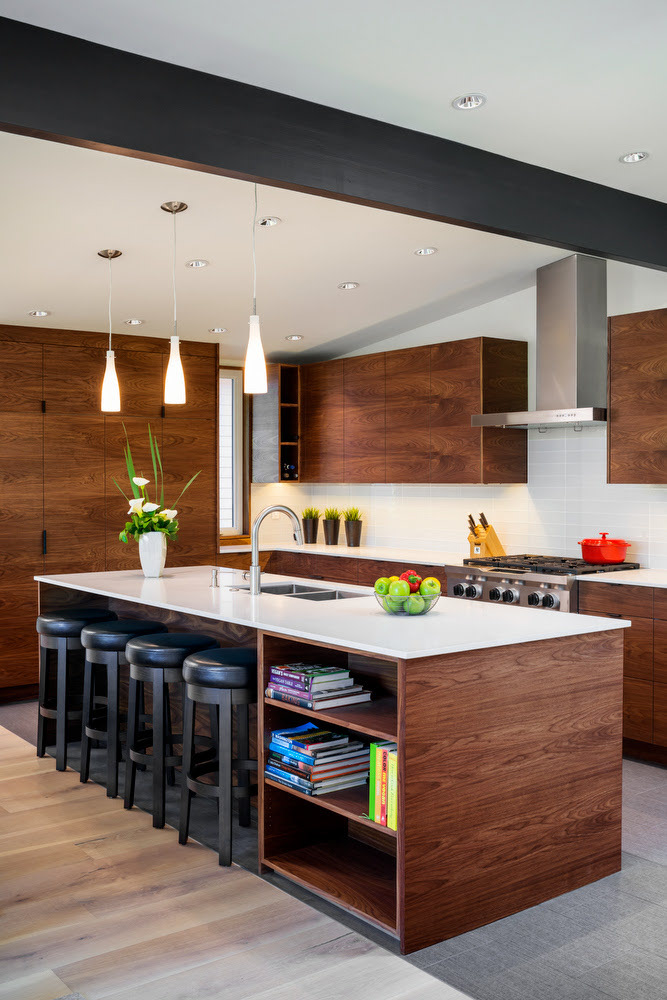
Kitchen - After (Photo by Will Austin)
2. Seeing the House With Clear Eyes
Next comes the quiet inspection.
While you’re imagining future dinners or holiday mornings, your architect is checking the things no one gets excited about—but everyone should:
While you’re imagining future dinners or holiday mornings, your architect is checking the things no one gets excited about—but everyone should:
- How the structure is really behaving
- Whether the electrical and plumbing are trustworthy
- Where light enters, and where it dies
- How air should move but currently doesn’t
- What limitations (and possibilities) the bones of the house hold
It’s the moment when dreams meet reality—and begin to form a plan instead of a guess.
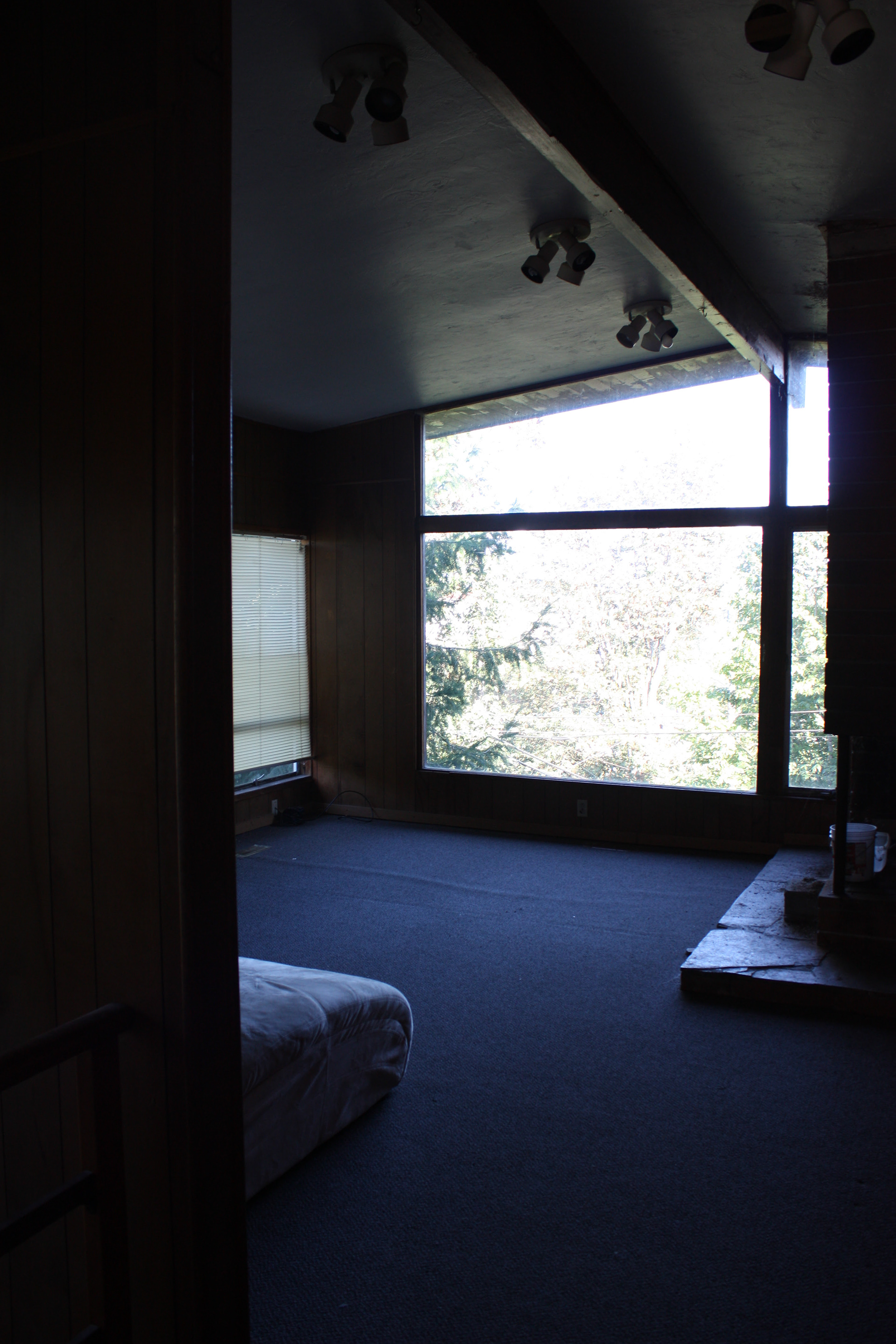
Living Room - Before
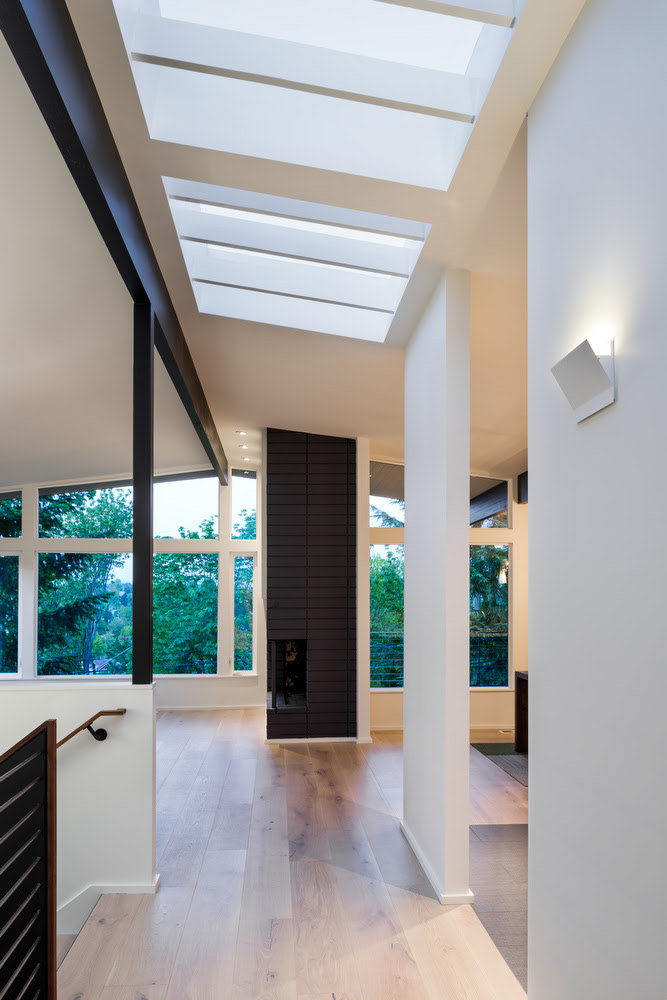
Living Room - After (Photo by Will Austin)
3. Finding the Possibilities Hidden in Plain Sight
Every house has secrets. Good ones.
Maybe it’s the wall that wasn’t load-bearing after all.
Maybe it’s the dead corner that suddenly unlocks a bigger kitchen.
Maybe it’s the way a shifted doorway changes the entire feel of a room.
Maybe it’s the dead corner that suddenly unlocks a bigger kitchen.
Maybe it’s the way a shifted doorway changes the entire feel of a room.
This is where homeowners usually say, “I never would’ve seen that.”
And that’s exactly the point. Architects are trained to see beyond what’s immediately visible—to sketch out the home your house wants to become.
And that’s exactly the point. Architects are trained to see beyond what’s immediately visible—to sketch out the home your house wants to become.
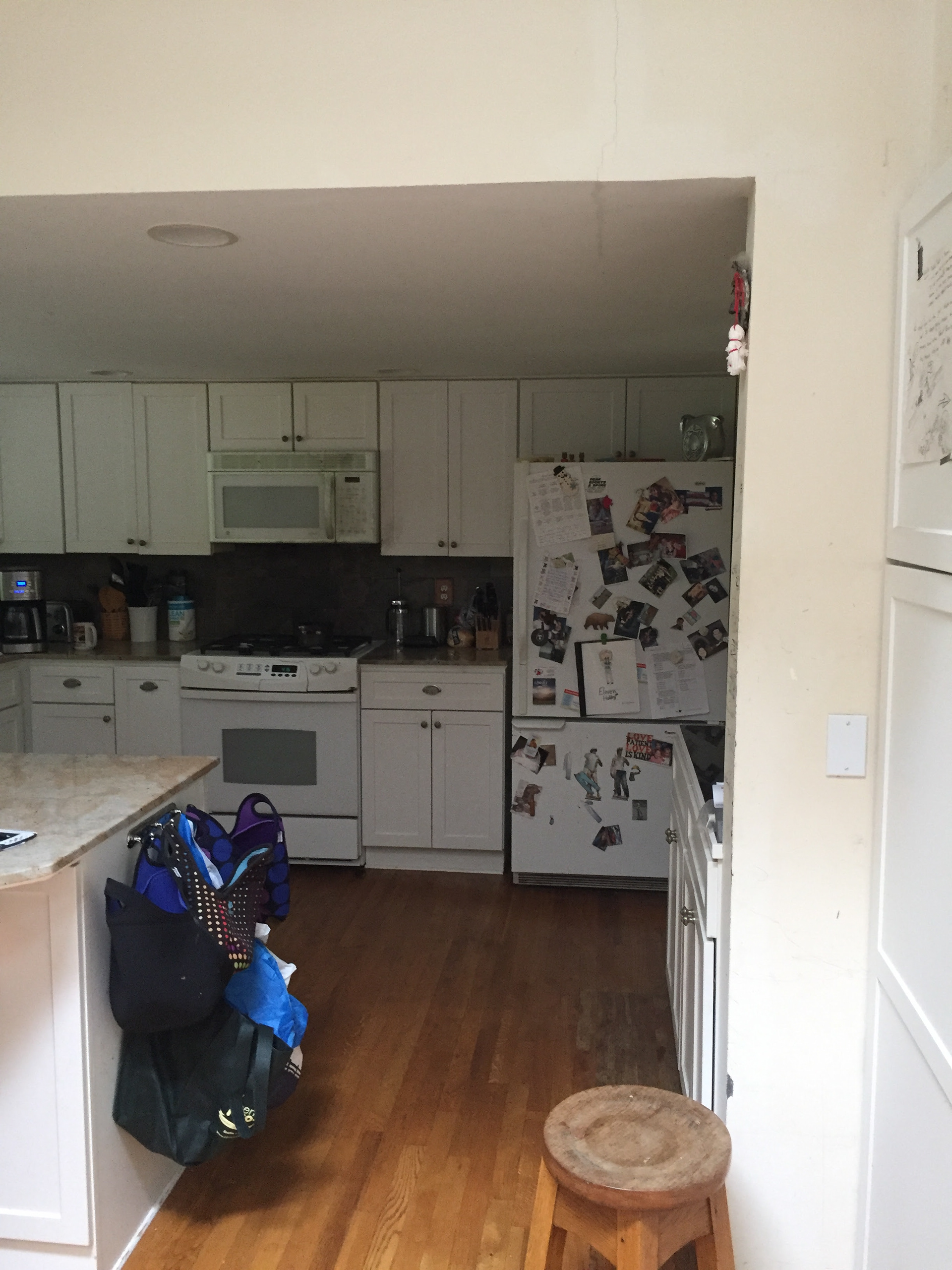
Kitchen - Before
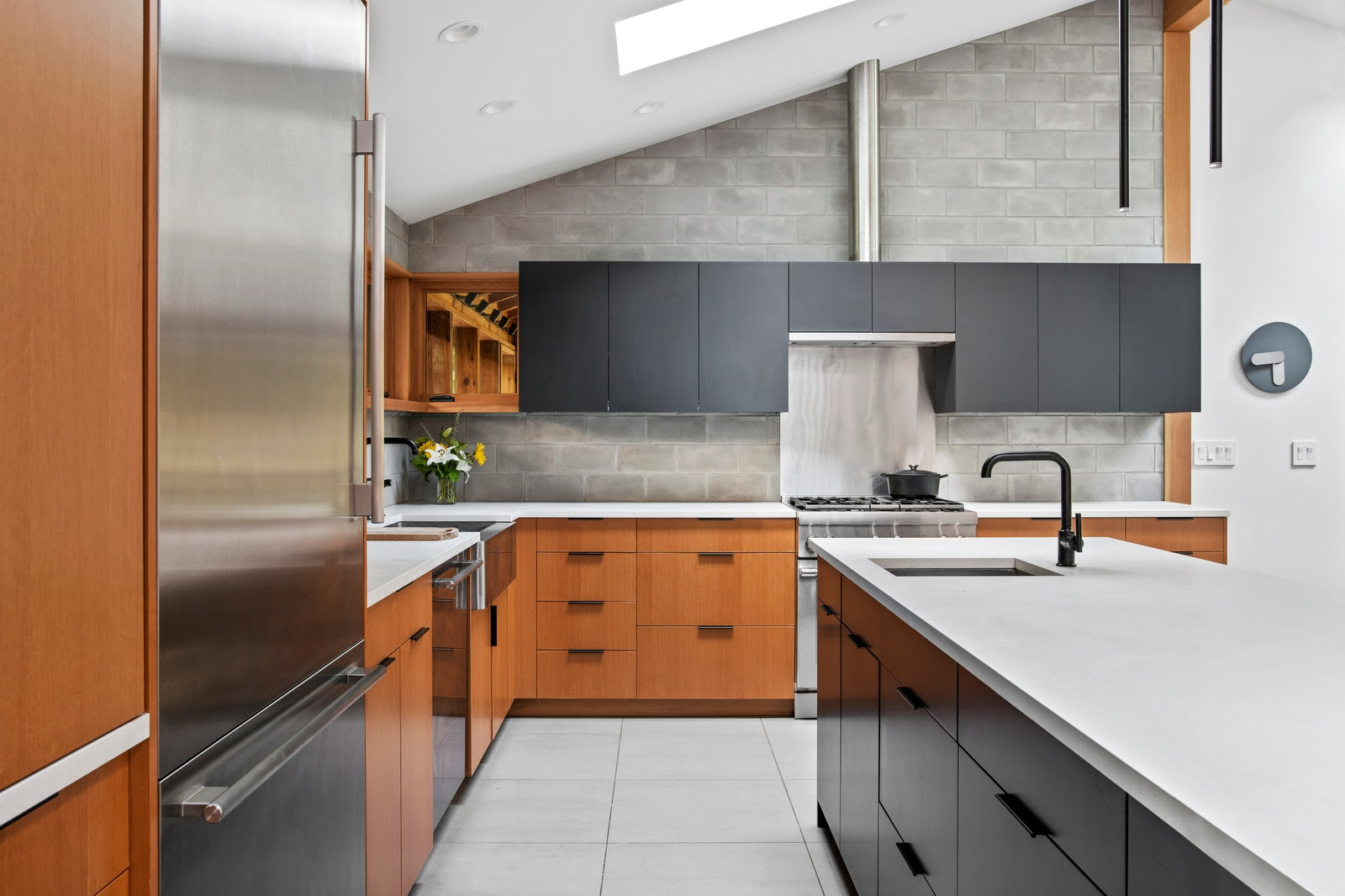
Kitchen - After (Photo by Will Austin)
4. Turning Excitement Into a Smart, Phased Plan
Most new homeowners want to do everything at once.
Your architect slows the moment down—not to dampen enthusiasm, but to protect it.
Your architect slows the moment down—not to dampen enthusiasm, but to protect it.
Together, you map out:
- What needs attention now
- What can wait
- What should never be touched without permits
- Where the budget will do the most good
- A timeline that feels human, not overwhelming
What was once a swirl of ideas becomes a clear, confident roadmap.
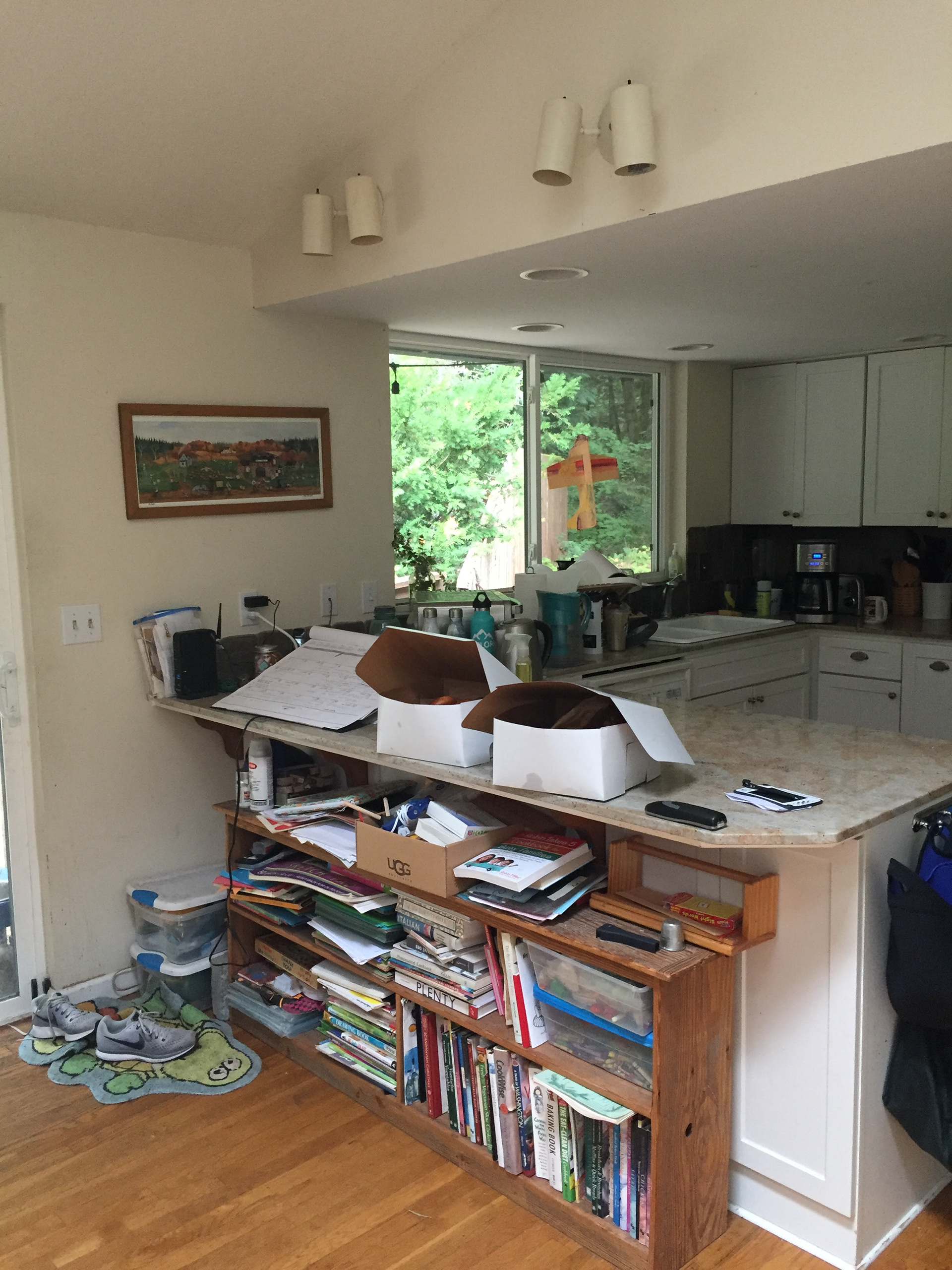
Kitchen - Before
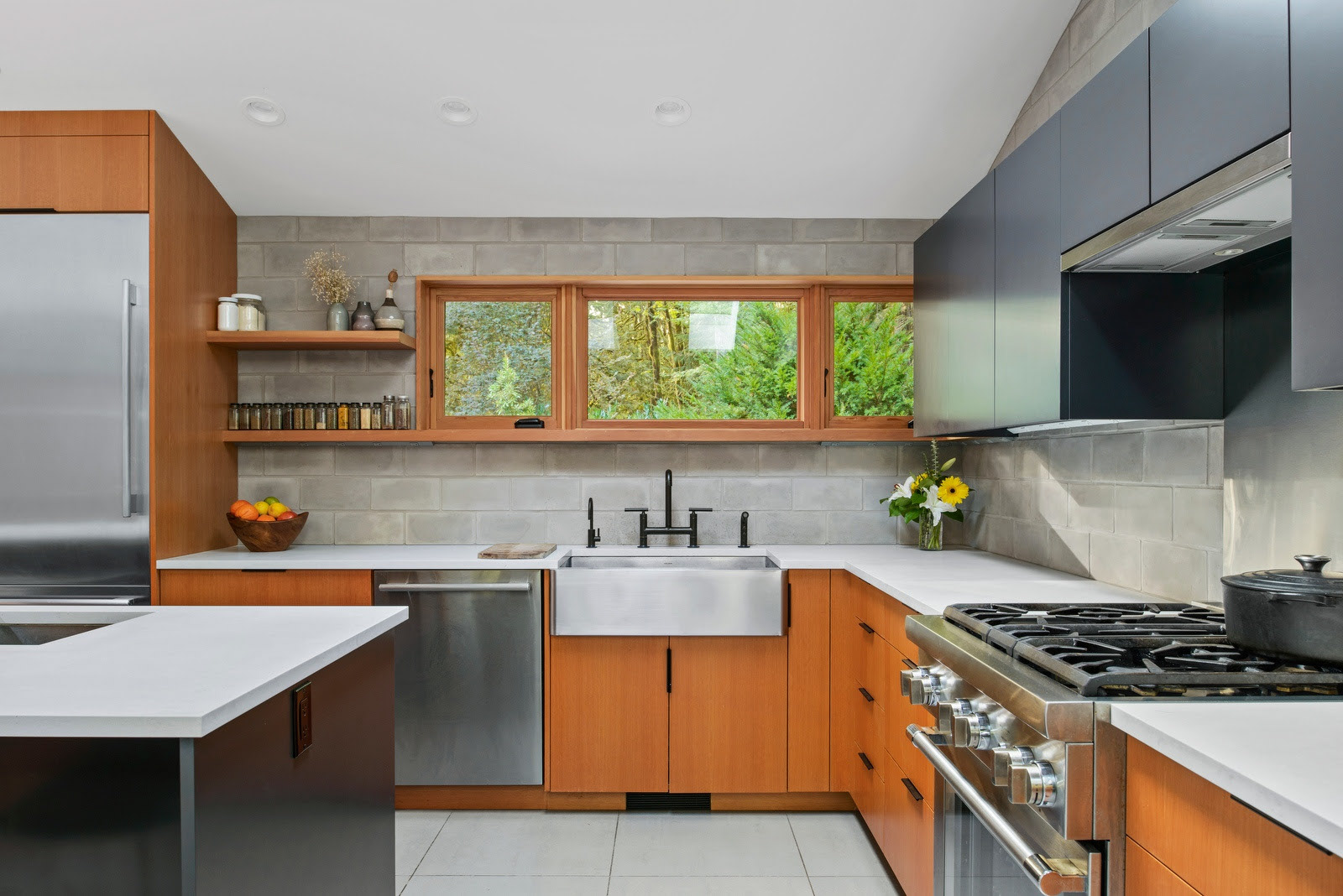
Kitchen - After (Photo by Will Austin)
5. Setting the Stage for the Future
Even if the renovation won’t start for months or years, early guidance sets the tone for everything that follows.
Maybe it’s planning space for a future addition.
Maybe it’s knowing which systems will need upgrading.
Maybe it’s simply avoiding a DIY fix today that will cost tenfold to undo tomorrow.
Maybe it’s knowing which systems will need upgrading.
Maybe it’s simply avoiding a DIY fix today that will cost tenfold to undo tomorrow.
This first architectural pass ensures the house can grow with you, instead of boxing you in.
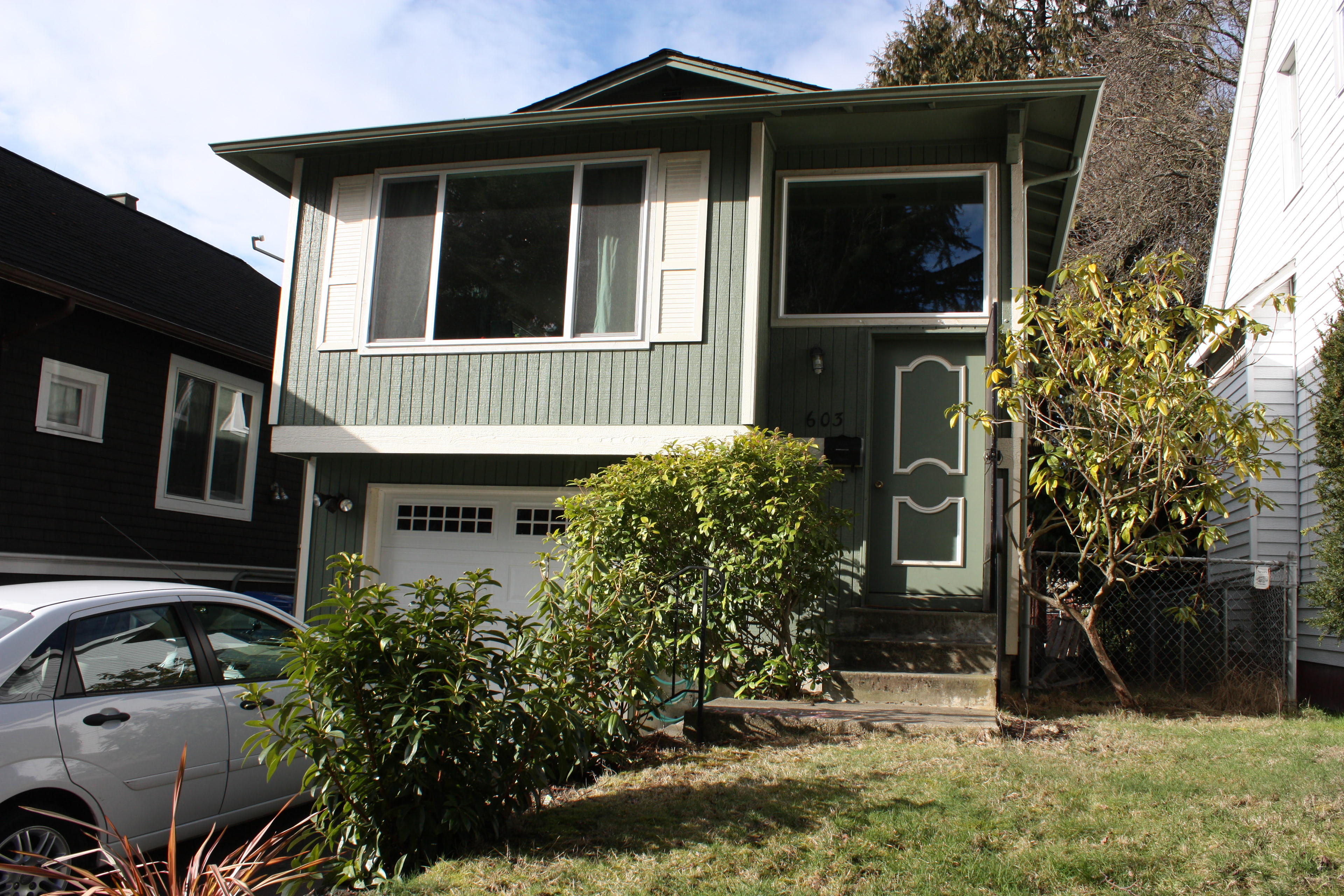
Exterior - Before
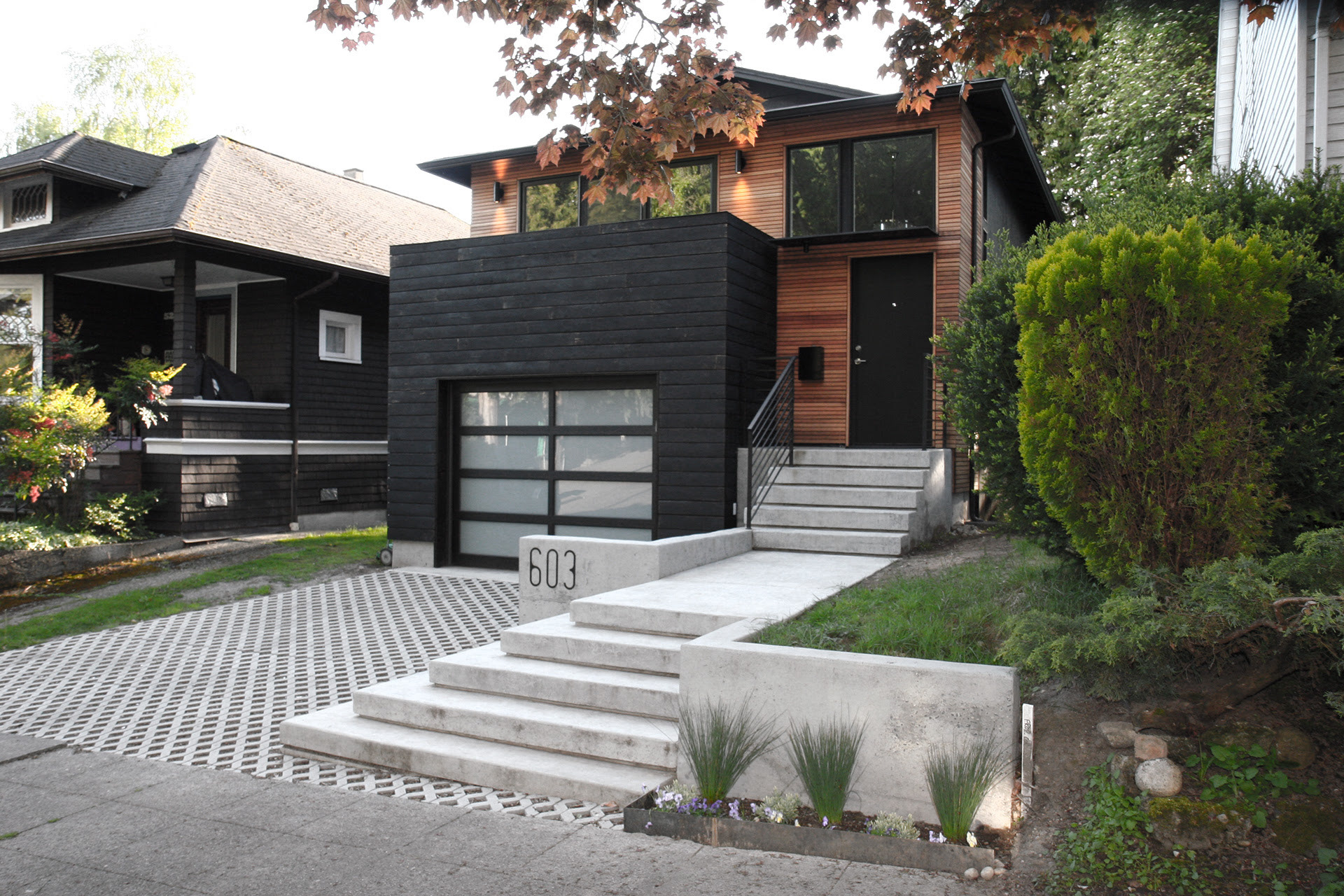
Exterior - After
Why This Chapter Matters
The period right after closing is full of optimism—and risk.
It’s easy to start tearing down, moving in, making quick calls.
But the smartest homeowners bring an architect in before the dust starts.
It’s easy to start tearing down, moving in, making quick calls.
But the smartest homeowners bring an architect in before the dust starts.
Not to overcomplicate things, but to clarify them.
Not to slow you down, but to keep you from tripping later.
Not to change your vision, but to make sure your vision is truly possible.
Not to slow you down, but to keep you from tripping later.
Not to change your vision, but to make sure your vision is truly possible.
When you’re ready, we can help you uncover the real potential inside your new home—and map out the story it’s waiting to tell.